Subtotal € 0,00

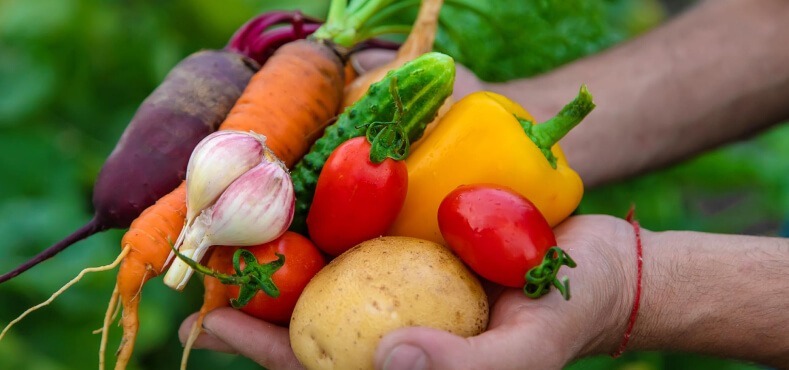
The Role of AI in Transforming Vertical Farming is at the heart of Zirat’s mission to build a more sustainable and efficient agricultural future. By leveraging artificial intelligence to optimize resource use, monitor crop health, automate labor-intensive tasks, and predict yields, Zirat shows how smart technology is reshaping the farming landscape.
As global food demand rises and environmental concerns intensify, AI will continue to play a central role in making vertical farming not just possible, but scalable. Zirat’s cutting-edge approach to AI in vertical farming is enhancing productivity while advancing sustainable and eco-friendly agriculture.
Through its AI-powered innovations, Zirat is not just shaping the future of vertical farming — it’s redefining what’s possible in the quest for a greener, more resilient food system.
1. Precision Farming: Optimizing Resources with AI
The Role of AI in Transforming Vertical Farming is most evident in how it optimizes resource use—ranging from water and energy to nutrients and light. At Zirat, advanced AI algorithms analyze extensive data collected from sensors throughout the farm, enabling precise adjustments to growing conditions. For example:
- Water Management: AI systems continuously monitor soil moisture and environmental factors, ensuring water is distributed efficiently. This reduces water waste, a key advantage of sustainable vertical farming compared to traditional methods.
- Nutrient Delivery: AI tracks crop growth stages and fine-tunes nutrient solutions accordingly, making sure plants receive optimal nutrition at the right time, improving growth while minimizing fertilizer overuse.
- Energy Efficiency: Zirat’s AI-driven systems regulate energy consumption for artificial lighting, temperature, and humidity. By dynamically adjusting these parameters based on crop needs, energy usage is minimized—cutting costs and lowering the farm’s carbon footprint.
2. AI-Driven Crop Monitoring: Real-Time Data for Optimal Growth
AI in vertical farming enables real-time monitoring of crop health and growth, which is essential for achieving high yields and ensuring food quality. Zirat utilizes advanced AI-powered imaging and sensor technologies, such as machine vision and infrared cameras, to detect subtle changes in plant health. These AI systems can monitor parameters such as:
- Plant Growth: AI analyzes data from cameras and sensors to assess the size, shape, and color of plants, identifying any signs of stress or nutrient deficiencies.
- Pest and Disease Detection: AI-driven image recognition software can identify early signs of pest infestations or plant diseases before they become widespread, allowing for early intervention. This helps reduce the need for chemical pesticides and supports the company’s commitment to organic, sustainable practices.
- Environmental Factors: AI can monitor critical environmental variables such as temperature, humidity, CO2 levels, and light intensity. By continuously analyzing this data, AI can make real-time adjustments to create the optimal conditions for plant growth, ensuring that crops thrive year-round.
By continuously monitoring and adjusting these factors, Zirat maximizes the potential for healthy, high-quality crops and ensures that resources are used efficiently.

3. AI-Powered Automation: Streamlining Operations and Reducing Labor Costs
The Role of AI in Transforming Vertical Farming is also clear in how automation is revolutionizing labor-intensive tasks. Vertical farming demands significant human effort for planting, harvesting, and crop maintenance, but AI-powered automation enables Zirat to streamline these operations and reduce labor costs.
- Robotic Harvesting: Zirat uses AI-driven robots with machine learning capabilities to identify ripe crops, harvest them efficiently, and even package produce. This boosts harvesting speed and accuracy while lowering labor expenses and minimizing human error.
- Automated Planting and Maintenance: Through AI and robotics, tasks such as seed planting, pruning, and environmental adjustments are automated. This reduces manual labor requirements, improves operational efficiency, and supports the scalability and economic viability of vertical farming.
- Predictive Maintenance: AI algorithms predict when equipment or infrastructure may need maintenance, helping prevent unexpected downtime and costly repairs. By addressing issues proactively, Zirat ensures continuous, productive farm operations.
4. AI in Crop Prediction and Yield Forecasting
Accurate crop prediction is a critical factor in ensuring a reliable food supply. AI helps Zirat predict crop yields with remarkable accuracy by analyzing historical data, weather patterns, and growth conditions. This predictive capability allows Zirat to:
- Plan for Demand: AI enables more accurate forecasting of food production, helping the company plan for market demand and minimize food waste. By knowing when specific crops will be ready for harvest, Zirat can synchronize production with consumption cycles and optimize distribution.
- Optimize Crop Selection: AI analyzes various factors, including market trends, climate conditions, and consumer preferences, to recommend the best crops to grow in specific environments. This data-driven approach ensures that the right crops are cultivated for maximum yield and profitability.
- Reduce Crop Losses: By monitoring crop health and growth rates in real-time, AI allows Zirat to predict potential issues before they result in significant crop losses. Early detection of growth imbalances or environmental stressors ensures that corrective actions can be taken promptly, reducing crop failure rates.
5. AI-Enhanced Sustainability: Reducing Environmental Impact
Zirat’s commitment to sustainability is enhanced by AI, which helps minimize the environmental impact of vertical farming in multiple ways. AI-driven systems allow for:
- Reduced Water Usage: Through AI-controlled irrigation systems, water is applied only when and where it is needed, significantly reducing water waste. This is particularly important as vertical farming systems aim to grow crops in regions with limited water resources.
- Lower Energy Consumption: AI can optimize the use of lighting, temperature, and ventilation systems in the vertical farm, reducing energy consumption. AI models predict the ideal conditions for plant growth, ensuring that these environmental factors are kept at optimal levels without excessive use of energy.
- Waste Reduction: AI can also help Zirat monitor and manage waste by tracking nutrient solutions, water usage, and crop outputs. By identifying inefficiencies and areas where waste can be minimized, AI enables the company to further reduce its environmental footprint.
Conclusion: Zirat’s AI-Powered Vision for the Future of Vertical Farming
Artificial Intelligence is revolutionizing vertical farming, and Zirat’s innovative use of AI technologies is a prime example of how agriculture can be transformed for a more sustainable and efficient future. By leveraging AI to optimize resource use, monitor crop health, automate labor-intensive processes, and predict yields, Zirat is demonstrating how technology can drive the future of farming.
As the demand for food grows and environmental challenges become more pressing, AI will continue to play a central role in making vertical farming not only possible but scalable. Zirat’s cutting-edge approach to AI in vertical farming is not only improving food production efficiency but also contributing to the broader movement toward sustainable and eco-friendly agriculture.
Through its AI-powered innovations, Zirat is not just shaping the future of vertical farming—it’s redefining what’s possible in the quest for a greener, more sustainable food system.
Further Reading
- FAO – Artificial Intelligence and Agriculture
Discover how AI is being used globally to advance sustainable farming practices. - MIT Technology Review – How AI is changing farming
An in-depth look at how AI is revolutionizing agriculture worldwide. - Vertical Farming | World Economic Forum
Explore how vertical farming and AI intersect to create sustainable food systems.