Subtotal € 0,00

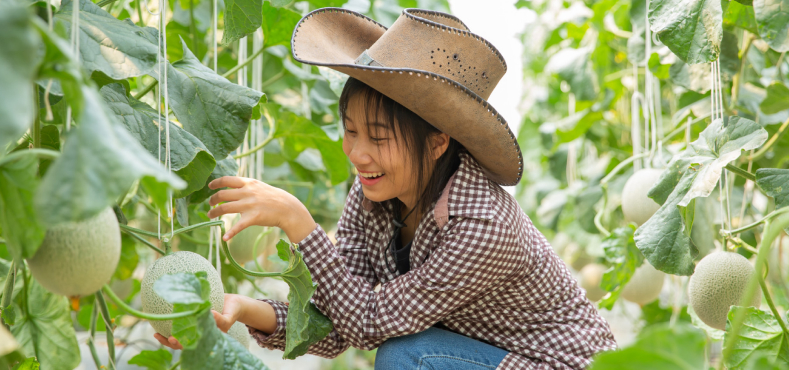
As the world grapples with the environmental and social challenges posed by conventional farming practices, there is an increasing demand for solutions that are both sustainable and efficient. Zirat, an innovative leader in sustainable agriculture, is setting the standard for how farming can evolve to meet the needs of a growing population while minimizing environmental impact. Through cutting-edge technology, green agriculture practices, and a deep commitment to regenerative farming, Zirat is pioneering a new era—one where the health of the planet and the people who depend on it are both top priorities.
A Vision for the Future of Farming
Zirat’s mission is simple yet ambitious: to transform the agricultural landscape into one that works in harmony with the environment. By focusing on sustainability at every level of operation, Zirat is reshaping how food is produced, how resources are used, and how the industry impacts the planet. Whether through innovative water conservation techniques, sustainable soil management, or reducing carbon emissions, Zirat sustainability proves that sustainable agriculture is not just a possibility, but a necessity for global food systems.
These actions directly align with the UN Sustainable Development Goals (SDGs), reinforcing Zirat’s contribution to international efforts to end hunger, fight climate change, and protect life on land. The company also supports Vision 2030, a long-term framework guiding sustainable development worldwide.
Zirat’s Sustainable Agriculture Practices
1. Regenerative Farming Techniques
At the heart of Zirat’s approach is regenerative farming, a method that focuses on restoring and improving soil health. Unlike conventional agriculture, which often depletes the soil through overuse of chemical fertilizers and monoculture practices, regenerative farming rejuvenates the land by fostering biodiversity, increasing organic matter, and improving soil structure. Through crop rotation, agroforestry, and composting, Zirat strengthens resilience against climate change and reduces reliance on synthetic inputs.
2. Precision Agriculture and Smart Technologies
Zirat leverages advanced tools like sensors, drones, and AI to implement precision agriculture—an essential component of green agriculture. These technologies help optimize input usage (water, nutrients, pesticides), reducing waste and increasing crop efficiency. Smart systems gather real-time data on soil health and crop growth, enabling informed decisions that protect the environment while ensuring food security.
3. Hydroponic and Aeroponic Agriculture
As part of its innovation strategy, Zirat utilizes both hydroponic farming and aeroponic agriculture—soil-free methods of growing plants using nutrient-rich water or air mist. These systems use up to 90% less water than traditional agriculture and allow for high-density vertical farming in urban areas.
They are particularly aligned with SDG in agriculture and Vision 2030 goals by ensuring efficient land use, reduced emissions, and year-round food production. For more on hydroponics, see this FAO guide on hydroponics.
4. Water Conservation and Management
Water scarcity remains a major global challenge, especially in agriculture. Zirat addresses this through drip irrigation, rainwater harvesting, and closed-loop systems that recycle water across operations. These techniques lower the water footprint, protect topsoil, and contribute to the resilience of sustainable farming in arid regions.
5. Sustainable Crop Protection
To reduce reliance on synthetic chemicals, Zirat follows integrated pest management (IPM) strategies. Natural predators, beneficial insects, and organic treatments are used instead of chemical pesticides. This protects both biodiversity and consumer health, supporting the transition to sustainable agriculture.
Reducing Carbon Footprint
Agriculture contributes significantly to global GHG emissions. Zirat reduces its carbon footprint through renewable energy use, low-emission machinery, and carbon sequestration techniques like cover cropping and compost application. These actions directly support climate-related targets in SDG Goal 13.
Empowering Local, Sustainable Food Systems
Zirat prioritizes local food systems that reduce transportation emissions and deliver fresh produce to nearby communities. It partners with farmers’ cooperatives and provides training in sustainable and eco-efficient practices, spreading the values of green agriculture beyond its own operations.
Through workshops and farmer support programs, Zirat enables widespread adoption of sustainable agriculture practices that improve food security and community livelihoods—key targets under Vision 2030 and the SDGs.
Innovation in Sustainable Packaging
Zirat’s commitment to sustainability extends beyond farming to eco-conscious packaging. The company uses biodegradable, compostable, or recyclable materials to reduce plastic waste and promote circular economy principles.
Supporting Biodiversity and Ecosystem Health
From planting pollinator habitats to maintaining buffer zones, Zirat protects and nurtures biodiversity across its operations. This ecosystem-first approach improves resilience in agriculture, enhances crop yields, and helps achieve long-term sustainability goals.
Collaboration for a Greener Future
Zirat collaborates with governments, academic institutions, and NGOs to drive systemic change in agriculture. These partnerships help scale sustainable agriculture, influence public policy, and promote innovation across supply chains.
Local community engagement is also central to Zirat sustainability—advocating for green practices and enabling farmers to transition toward sustainable, resilient systems aligned with global goals like the SDGs and Vision 2030.
Conclusion:
In a world facing climate change, resource depletion, and food insecurity, companies like Zirat are proving that sustainable agriculture is not only achievable, but essential. By combining hydroponic farming, aeroponic agriculture, renewable energy, and smart tech, Zirat is setting a global example.
As it continues to innovate, educate, and collaborate, Zirat is helping reshape agriculture—ensuring it nourishes both people and the planet, now and for generations to come.