Subtotal € 0,00

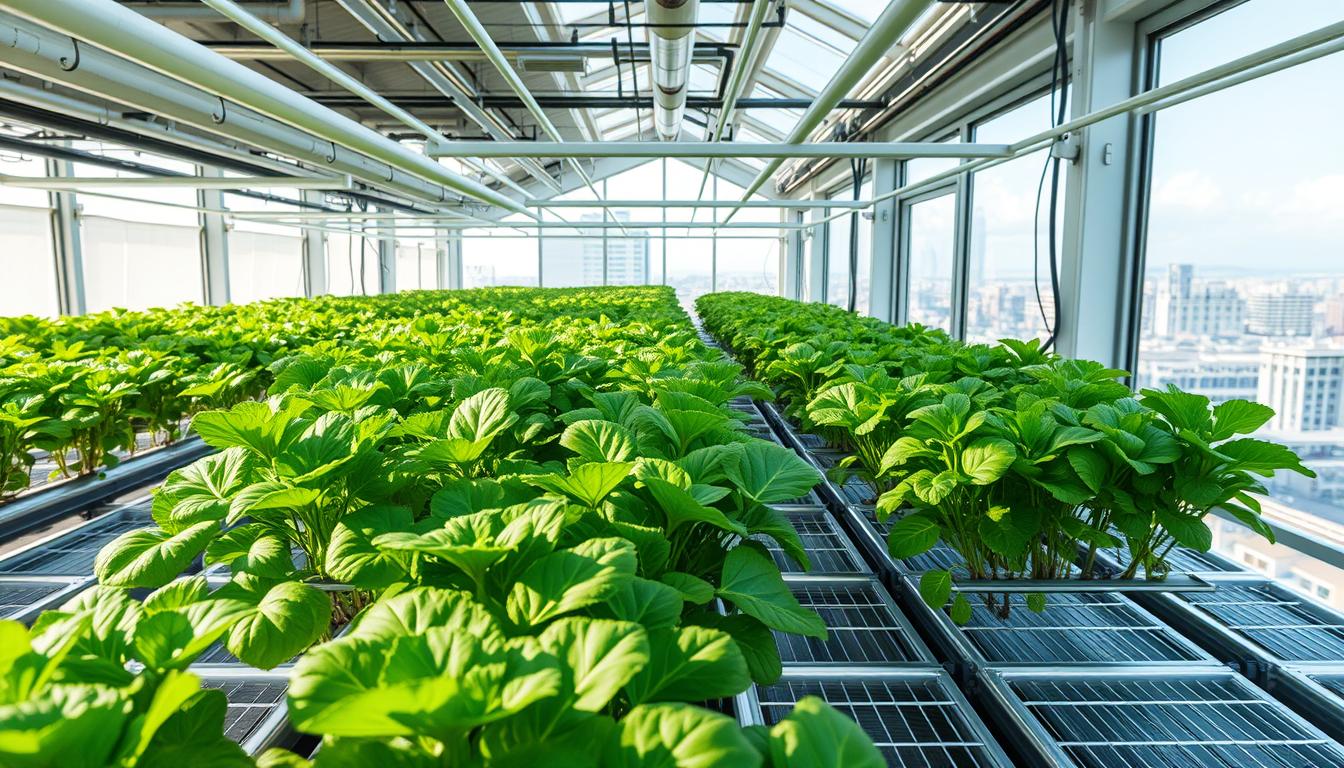
Zirat is at the forefront of new farming methods with its hydroponic and vertical farming vision 2030. It uses hydroponic systems and IoT technology to boost crop yields and cut down water use. This makes farming more eco-friendly and efficient.
This approach could change the agriculture world. It promises a steady and reliable food supply.
At the core of Zirat’s vision 2030 is combining hydroponic and vertical farming. These methods bring many advantages, like higher crop yields and less water use. Zirat is ready to make a big difference in farming, pushing for greener and smarter farming ways.
Introduction to Zirat's Vision
Zirat’s vision 2030 is all about innovation, sustainability, and efficiency. By using hydroponic and vertical farming, Zirat aims to lessen its environmental impact. It wants to support sustainable farming.
This vision is good for the planet. It helps save water and cuts down on harmful chemicals and fertilizers.
Key Takeaways
- Zirat’s vision 2030 focuses on hydroponic and vertical farming methods
- Hydroponic systems and IoT technology are used to increase crop yields and reduce water consumption
- Zirat’s approach promotes sustainable and efficient farming practices
- The company’s vision 2030 is expected to have a positive impact on the environment
- Zirat is committed to reducing its environmental footprint while promoting sustainable agriculture practices
- Hydroponic and vertical farming methods offer numerous benefits, including increased crop yields and improved crop quality
Understanding Zirat's Agricultural Innovation Journey
Zirat’s story in agriculture is one of visionary leadership and a strong focus on sustainability. The company leads in africa with its innovation and advanced technology. It offers solutions to farmers and communities.
Zirat’s path in vertical farming has seen major achievements. These include new hydroponic systems and energy-saving methods.
Some key moments in Zirat’s journey are:
- Creating sustainable farming methods in africa
- Using vertical farming to boost crop yields
- Combining innovation and tech for better farming
Zirat’s dedication to innovation and sustainability makes it a top player in africa. It’s a major force in vertical farming. As it keeps growing, Zirat will likely stay a leader in agricultural innovation. It will help bring positive change and support sustainable practices in the area.
The Core Components of Hydroponic and Vertical Farming Vision 2030 from Zirat
Zirat’s vision for 2030 focuses on a hydroponic system. It uses nutrient-rich solutions instead of soil to grow crops. This approach boosts crop yields and cuts down on waste, making it a green choice for farming’s future.
The iot system is key in keeping an eye on and managing the hydroponic setup. It ensures the crops get the best growing conditions. With sensors and automated climate control, the iot system reduces mistakes and boosts efficiency.
- Hydroponic systems for growing crops without soil
- IoT systems for monitoring and control
- Automated climate control for the best growing conditions
Together, these parts form a sustainable and efficient farming system. They help grow more crops and reduce waste.
Revolutionary IoT Integration in Modern Farming Systems
The use of iot system in farming has changed how crops are grown and managed. Thanks to research and universities, farmers can use new tech to work smarter and save money. This tech helps farmers make better choices by analyzing data from different sources.
Smart sensors and automated climate control are key parts of iot system in farming. These tools let farmers keep an eye on and adjust temperature, humidity, and more. This way, they can grow crops better and avoid losses. Also, new tech is being developed to help farmers fight diseases and pests without using harmful chemicals.
Some main features of iot system in farming are:
- Real-time data collection and analysis
- Automated climate control and monitoring
- Predictive maintenance and repair
- Integration with other farming systems and tools
The use of iot system in farming is changing how crops are grown and managed. By using new tech and working with research, farmers can work more efficiently, save money, and grow more crops. As iot system in farming keeps growing, we’ll see even more new ideas and tools that will shape the future of farming.
| Technology | Benefits |
|---|---|
| Smart Sensors | Real-time data collection and analysis |
| Automated Climate Control | Optimized growing conditions and reduced risk of crop failure |
| Predictive Maintenance | Reduced downtime and improved equipment lifespan |
Sustainable Resource Management Approaches
In africa, the need for sustainable farming is clear. As the continent grows, using resources wisely is key. Zirat leads in this effort, using new ways to lessen its environmental impact.
Zirat focuses on renewable energy, smart water use, and less chemical farming. These steps help the planet and make farming in africa sustainable for the future.
Zirat works with local people to make sustainable resource plans. They offer training and support for green farming. They also invest in new tech and infrastructure for sustainable farming.
The perks of sustainable resource management are many:
- Less harm to the environment
- Better crops and quality
- More efficient and productive farming
- Stronger community involvement
African Agricultural Transformation Initiative
The African Agricultural Transformation Initiative is a major program for Africa’s farming sector. It aims to better the lives of farmers, boost food production, and spur economic growth. It uses new technologies and methods to change Africa’s farming, making it a big player in the world’s food market.
This initiative focuses on green farming, working together across regions, and building partnerships. It will work on regional plans, check how it affects communities, and create partnerships to change Africa’s farming.
Regional Implementation Strategies
Regional plans are key to the initiative’s success. It will work with local governments, farmers, and others to find and solve problems. This way, it can tackle Africa’s unique challenges and chances, from East Africa’s savannas to North Africa’s deserts.
Community Impact Assessment
A deep community impact study will be done to make sure the initiative helps local people and supports green growth. It will talk to local leaders, do surveys, and look at data to see the social, economic, and environmental effects. This way, it can meet local needs and gain their trust.
Partnership Development Framework
A plan for building partnerships will be set up. It will help governments, private companies, and local groups work together. This plan will help find common goals and start joint projects. Together, they can use their skills, resources, and networks to change Africa’s farming and boost the economy.
University Collaborations and Research Programs
Universities and industry leaders working together is key for hydroponic and vertical farming progress. Research programs at universities offer valuable insights and expertise. Meanwhile, industry partners bring real-world applications and resources to the table. This collaboration leads to new technologies, like better irrigation and climate control.
University collaborations also help train the next generation of professionals. Students get hands-on experience and practical knowledge. This prepares them for careers in hydroponic and vertical farming. It benefits both students and the industry, ensuring a skilled workforce.
Some successful university research programs include:
- Studying the effects of different nutrient solutions on crop yields
- Developing new methods for monitoring and controlling temperature and humidity levels
- Investigating the use of LED lighting in hydroponic systems

Universities also play a big role in promoting collaboration and sharing knowledge. They host conferences and workshops. This brings experts together to share experiences and ideas, driving innovation and progress.
Economic Viability and Market Integration
The world is looking for better ways to grow food. Hydroponic and vertical farming are now seen as good options. To see if they work well, we need to look at their costs and benefits.
Looking at the economic viability of these new farming ways is key. We must check the costs at the start and the ongoing expenses. We also need to see how much money they can make.
For hydroponic and vertical farming to succeed, they must fit into the market well. This means finding ways to sell their products and reach new customers. By using these farming methods, farmers and investors can meet the growing need for green food.
Some big advantages of hydroponic and vertical farming are:
- They can grow more food on less land.
- They use less water and harm the environment less.
- The food they grow is better quality and lasts longer.
- They make food safer and cut down on contamination risks.
By carefully looking at costs and benefits and finding ways to sell their products, farmers and investors can make hydroponic and vertical farming work. This can help the farming industry grow and make more money.
Environmental Impact and Sustainability Measures
Zirat’s vision for 2030 focuses on reducing environmental impact through green practices. The company uses sustainability measures to lessen its ecological footprint. This includes renewable energy, efficient water use, and waste reduction.
Zirat’s sustainable strategy involves cutting-edge technologies for environmental sustainability. The company has taken several steps:
- LED grow lights that use less energy
- A closed-loop system for water recycling
- Composting for organic waste management
These sustainability measures help Zirat cut down on environmental impact. They also make farming more efficient and productive. The company’s dedication to sustainability is clear in its waste reduction, resource conservation, and eco-friendly practices.

Zirat’s commitment to environmental sustainability is a big step towards a greener food system. By focusing on environmental impact and using effective sustainability measures, Zirat inspires the agricultural sector to follow its lead.
Technology Transfer and Knowledge Sharing Protocols
Zirat is leading in hydroponic and vertical farming innovation. It sees the value in technology transfer and knowledge sharing. By sharing its knowledge, Zirat wants to build a global network for sustainable farming.
Zirat’s training programs are a big part of its efforts. These programs teach people how to use hydroponic and vertical farming. They cover topics like crop selection and managing pests.
- Introduction to hydroponic and vertical farming systems
- Crop selection and management
- Climate control and irrigation systems
- Pest management and integrated pest management (IPM) strategies
Zirat aims to empower farmers and communities. It wants to help them grow their own food. This improves food security and reduces reliance on others.
The company also plans to create a global knowledge network. This network will help people share their experiences and learn from each other. It will use online forums, webinars, and events.
Zirat is dedicated to making a difference. It wants to help the environment and support farmers and communities. By sharing its knowledge, Zirat hopes to inspire a new generation of sustainable farmers.
Implementation Roadmap and Timeline
To bring Zirat’s hydroponic and vertical farming vision to life, a detailed plan is key. This plan will outline the project’s phases, milestones, and deadlines. It ensures a smooth and efficient rollout. The roadmap will guide progress and help make any necessary adjustments.
The rollout strategy will be split into several phases. Each phase will have its own goals and key performance indicators. This approach lets the team focus on specific tasks, like building infrastructure and integrating technology. By breaking the project into smaller parts, each task can be done well, paving the way for success.
Some important phases in the roadmap include:
- Infrastructure development: This phase involves building hydroponic and vertical farming facilities. It also includes setting up necessary equipment and technology.
- Technology integration: This phase focuses on adding IoT solutions, smart sensors, and data analytics platforms. These tools support the farming operations.
- Training and capacity building: This phase provides training to farmers, technicians, and others. It ensures they have the skills to operate and maintain the systems.
The project timeline is about 24 months. Here are the key milestones:
- Month 1-6: Infrastructure development and technology integration
- Month 7-12: Training and capacity building
- Month 13-18: Pilot testing and evaluation
- Month 19-24: Full-scale deployment and monitoring
By sticking to this roadmap and timeline, Zirat can ensure a successful rollout. This will help make our food system more sustainable and secure for the future.
Conclusion: Shaping the Future of Agriculture Through Innovation
As we conclude our look at Zirat’s hydroponic and vertical farming efforts, it’s clear that the future of agriculture depends on innovation and sustainability. Zirat’s 2030 plan shows how new technologies can change how we grow and share food. This could lead to a world with more food and less harm to the environment.
Zirat uses IoT, smart sensors, and predictive analytics to improve how it uses resources and works more efficiently. The company also works with universities and shares knowledge to lead the way in changing farming in Africa and other places. Zirat’s innovative ideas are making a greener, more sustainable farming future closer.
Zirat faces challenges ahead, but its strong vision and dedication to innovation will help create a better farming future. With help from everyone involved, Zirat’s big goals can be reached. This will start a new time of success in farming that helps both people and the planet.
FAQ
What is the core focus of Zirat’s hydroponic and vertical farming vision for 2030?
Zirat aims to change the agriculture world by 2030. It will use hydroponics and IoT tech. The goal is to grow more crops, use less water, and farm in a green way.
How is Zirat integrating IoT technology into its modern farming systems?
Zirat uses smart sensors and automated systems. These help make farming decisions based on data. They also make farming more efficient and better for the environment.
What are some of the key milestones and achievements in Zirat’s agricultural innovation journey?
Zirat is a leader in farming innovation. It has hit many milestones. These include setting up hydroponic and vertical farms and creating IoT solutions that change farming.
How is Zirat addressing the issue of sustainable resource management in its farming practices?
Zirat focuses on using resources wisely. It uses renewable energy and manages water well. It also reduces waste to lessen its environmental impact.
What is the African Agricultural Transformation Initiative, and how is Zirat involved?
The African Agricultural Transformation Initiative aims to improve Africa’s farming. Zirat is part of it. It works with local partners to boost crop yields and help rural areas.
How is Zirat collaborating with universities and research institutions to advance the field of hydroponic and vertical farming?
Zirat values working with schools and research places. It partners with them to create new tech, train people, and share knowledge. This helps grow hydroponic and vertical farming.
What is the economic viability and market integration strategy for Zirat’s hydroponic and vertical farming solutions?
Zirat has checked the costs and benefits of its farming solutions. It plans to enter markets smoothly. This will help farmers and investors make money while farming sustainably.


