Subtotal € 0,00

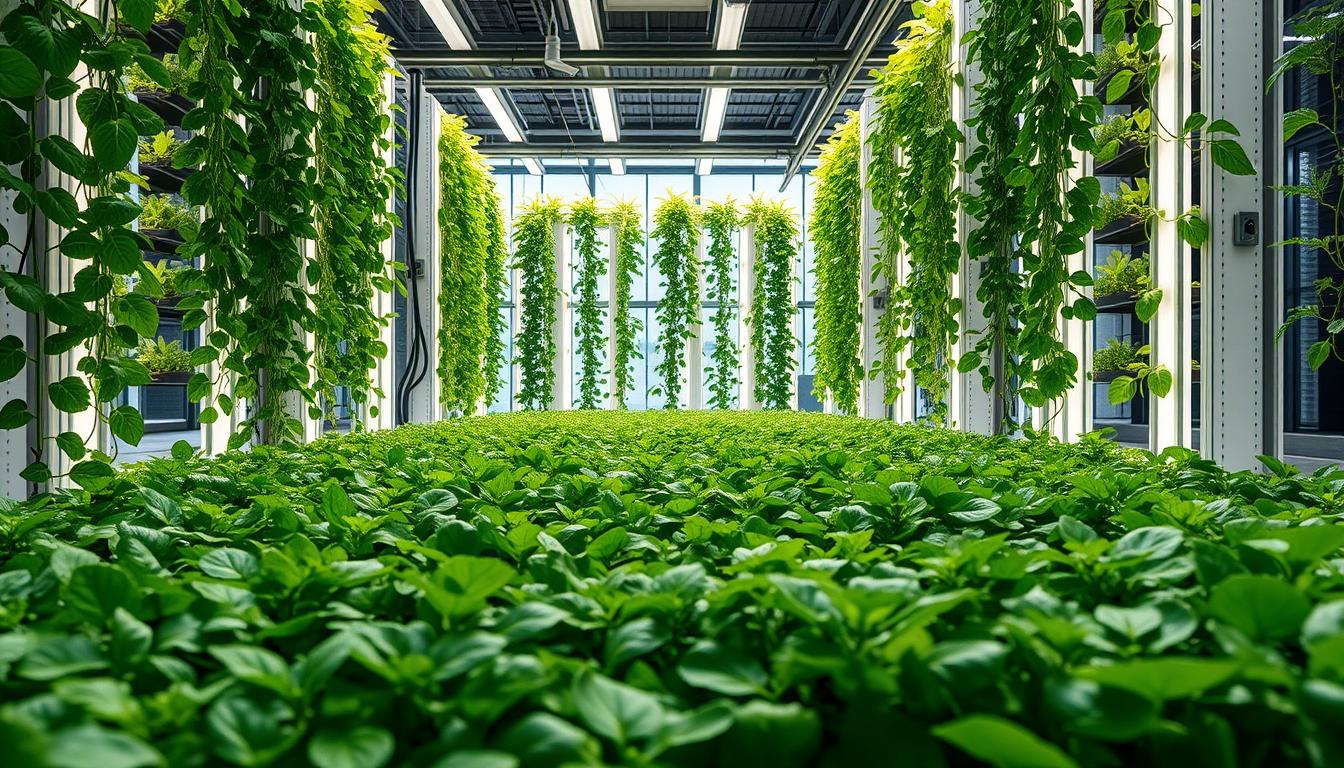
Imagine having a lush garden at home without using much space. Vertical farming, hydroponic, and zirat make this possible. They help you grow food efficiently, saving water and boosting crop yields. These methods are making gardening easier and more fun for everyone.
Using vertical farming, hydroponic, and zirat in your garden brings many benefits. You’ll see more crops and less harm to the environment. Whether you’re new to gardening or have been doing it for years, these techniques can elevate your gardening game.
Introduction to Modern Gardening
Modern gardening is all about using vertical farming, hydroponic, and zirat. These methods help you create a vibrant garden that’s tailored to your needs. They save water and increase food production, showing their clear advantages.
Key Takeaways
- Vertical farming allows for maximum space utilization
- Hydroponic systems reduce water consumption and increase crop yields
- Zirat provides a sustainable and efficient way to grow your own food
- Modern gardening methods can be adapted to any size garden
- Incorporating vertical farming, hydroponic, and zirat can reduce environmental impact
- These innovative methods make gardening more accessible and enjoyable
Understanding Modern Cultivation Methods: Vertical Farming, Hydroponic & Zirat
In the USA, urban farming is on the rise. Cities are using new ways to grow food for their people. These methods help grow more food with less harm to the environment.
Today, we see vertical farming and hydroponic systems being used. They make farming more efficient, use less water, and grow better crops. Zirat is also helping make farming more sustainable.
The Evolution of Urban Agriculture
Urban farming has changed a lot lately. It’s now more focused on being green and efficient. This change is because we want to protect our planet and make sure everyone has food. Vertical farming and hydroponic systems are leading this change.
Why Traditional Gardening Is Being Transformed
Old ways of gardening are getting a makeover. Zirat and hydroponic systems are making gardening better. They help grow more food with less water and better quality. So, many gardeners are switching to these new methods.
The Synergy Between Different Growing Methods
People are now seeing how different farming methods work together. By mixing vertical farming, hydroponic, and zirat, gardeners can grow more food in a better way. This mix is all about reducing waste, being more efficient, and farming sustainably.
Getting Started with Vertical Farming Systems
Vertical farming grows plants in stacked layers, often using hydroponics. It’s key to know the different systems, like indoor and outdoor ones. The cost to start can vary a lot, based on the system’s size and complexity.
Vertical farming offers many benefits. It increases crop yields, cuts down water use, and improves air quality. Hydroponics are vital, allowing for precise control over nutrients and water. This helps farmers grow plants better and waste less.
When setting up a vertical farm, consider a few things:
- Space and layout
- Lighting and climate control
- Water and nutrient management
- Plant selection and crop rotation
With careful planning, vertical farming can provide fresh, local produce. It also helps reduce environmental impact. As people seek sustainable farming, vertical and hydroponic systems will become more important.
The Science Behind Hydroponic Growing
Hydroponic growing means growing plants in a nutrient-rich solution, not soil. It’s popular for boosting crop yields and saving water. In Africa, it helps improve food security and fight poverty.
The nutrient solution is key in hydroponic systems. It gives plants the nutrients they need to grow. Zirat is a traditional method that can enhance plant growth when used with hydroponics. This combo makes farming more sustainable and efficient.
Essential Components of a Hydroponic System
A hydroponic system has a few main parts. There’s a reservoir for the nutrient solution, a pump to move it, and a growing medium. The growing medium can be rockwool or coco coir.
Nutrient Solutions and Water Management
Nutrient solutions are vital for hydroponic plants. They give plants the nutrients they need. Water management is also important to avoid overwatering and waste.
Monitoring and Maintaining pH Levels
Keeping an eye on pH levels is crucial. Most plants like a pH between 6.0 and 7.0. This ensures healthy growth and high yields.
In summary, hydroponic growing is a smart way to farm. By mixing hydroponics with zirat, farmers worldwide can grow food sustainably and efficiently.
Zirat: Traditional Wisdom Meets Modern Innovation
Zirat is an old farming method that boosts soil health and grows more crops. It combines with vertical farming to make gardening better. This mix helps manage water, cuts down on environmental harm, and grows more food.
Zirat makes soil richer, which is key for plants to thrive. When paired with vertical farming, it builds a balanced ecosystem. This ecosystem supports many plants and cuts down on chemical fertilizers. The benefits of zirat in vertical farming are:
- Improved soil structure and fertility
- Increased crop yields and better plant growth
- Reduced water consumption and environmental impact
- Enhanced biodiversity and ecosystem balance
Using zirat in vertical farming makes gardening more sustainable and efficient. It’s good for the planet and saves money. As people want more sustainable food, zirat in vertical farming will get more popular.

Space-Efficient Design Strategies for Small Gardens
In the usa, urban areas often have little space. Gardeners use vertical farming and hydroponic systems to grow more. These methods are great for small gardens and save water too.
These strategies help gardeners grow a lot in tiny spaces. For instance, hydroponic systems can grow many crops like greens and tomatoes. They need much less space than regular gardens.
Maximizing Vertical Space
To use vertical space well, gardeners can use trellises or wall planters. These help vines and climbing plants grow up. It makes the garden look good and increases the yield.
Creating Multi-Level Growing Systems
Multi-level systems use stacked planters or raised beds. They let gardeners grow many crops in a small area. This is perfect for cities.
Optimal Plant Spacing Techniques
Plant spacing is key in small gardens. It makes sure each plant gets enough light, water, and nutrients. Vertical farming and hydroponic systems help with this, boosting yields.
Essential Tools and Equipment for Modern Gardening
Modern gardening needs the right tools and equipment. In Africa, using local materials is key. Hydroponic systems boost crop yields and save water. Zirat farming methods also enhance plant health.
Here are the must-haves for starting modern gardening:
- Hydroponic systems for increased crop yields and reduced water consumption
- Zirat equipment for improved plant health and traditional farming practices
- Irrigation systems for efficient water management
- Greenhouse materials for controlled growing environments
These tools help gardeners in Africa grow more with less water. They support sustainable gardening. As gardening tech advances, hydroponic and zirat systems become more important.

Using these tools can elevate your gardening game. Whether you’re new or experienced, the right equipment is crucial. It ensures a successful garden.
| Tool/Equipment | Benefits |
|---|---|
| Hydroponic Systems | Increased crop yields, reduced water consumption |
| Zirat Equipment | Improved plant health, traditional farming practices |
| Irrigation Systems | Efficient water management, reduced waste |
Selecting the Right Plants for Your Setup
Choosing the right plants is key for a good harvest in vertical farming. With hydroponic systems, you can grow many crops. This includes leafy greens, fruits, and vegetables. Zirat cultivation lets you grow herbs and spices too.
Think about the climate, soil, and space you have. For vertical farming, pick plants that do well in controlled spaces. These are things like lettuce, kale, and spinach. For hydroponic, choose plants that love nutrient-rich solutions. Tomatoes and cucumbers are great examples.
- Best plants for vertical systems: leafy greens, herbs, and microgreens
- Hydroponic-friendly crops: tomatoes, cucumbers, and strawberries
- Traditional zirat cultivation choices: herbs, spices, and root vegetables
By picking the right plants, you can get more crops, healthier plants, and help the environment. Whether you’re using vertical farming, hydroponic, or zirat, the secret to success is choosing the right plants for your setup.
Maintenance and Care Guidelines
Keeping your hydroponic system healthy is key. You need to check the water levels, pH, and nutrient levels often. This helps avoid issues like nutrient shortages and pH problems.
In a zirat system, balance is important. Mix old wisdom with new tech. Use compost tea, neem oil, and other organic pest controls.
Here are some basic care tips:
- Regularly check your system to catch issues early
- Choose natural and organic ways to care for your system
- Keep your system clean to stop disease spread
By sticking to these tips, your hydroponic or zirat system will thrive. You’ll get a great harvest.
Sustainable Practices in Modern Growing Methods
The world is waking up to the need for environmental care. Vertical farming and hydroponic systems are becoming more popular in the usa. They save water and grow more food. Farmers have always tried to save resources and cut down on waste.
In cities, where space is tight, vertical farming and hydroponic systems are perfect. They let farmers grow many crops, like greens and fruits, with less harm to the environment. Some key green practices include:
- Water-saving tricks, like recirculating water and using drip irrigation
- Energy-saving ideas, like LED grow lights and better climate control
- Less harm to nature, by using natural pest control and reducing waste
By using these green practices, farmers in the usa and globally can lessen their environmental harm. They also make their farms more efficient and productive. As people want more sustainable food, vertical farming, hydroponic, and zirat farming will play a bigger role.
Cost Analysis and Return on Investment
Modern gardening systems like vertical farming and hydroponic need careful cost checking. In africa, where modern tools are scarce, using affordable materials is key. The cost to start these systems can change a lot, based on size and setup.
Looking into zirat and other old-school gardening ways, we see the need for a detailed cost check. We must think about ongoing costs like energy and water, and also the savings and yields.
Initial Setup Expenses
The first costs for a vertical farming setup include the structure, lights, and water systems. On the other hand, hydroponic systems need a big initial buy, like pumps and nutrient systems.
Long-term Operating Costs
These systems can save a lot of money over time, especially on water. Using hydroponic or zirat cuts down water use and energy bills.
Potential Yields and Savings
Investing in vertical farming and hydroponic can boost yields and cut costs. In africa, where food is a big worry, these systems offer a steady supply of fresh food, even where old ways are hard to use.
Conclusion: Embracing the Future of Home Growing
Exploring vertical farming, hydroponic systems, and zirat shows us a bright future for home gardening. These methods are not only new but also good for our planet. They help us grow more food in less space and with less harm to the environment.
By using these techniques, people living in cities and suburbs can turn their homes into gardens. This can help us grow our own food, cut down on waste, and live more sustainably. With the right tools and knowledge, you can make your home a place where plants and people thrive together.
Starting your journey in vertical farming, hydroponics, and zirat requires understanding each method’s needs. It’s important to match your approach to your space and goals. With hard work, creativity, and patience, you can make your home garden flourish and enjoy the benefits of a green, healthy space.
FAQ
What is vertical farming, and how does it work?
Vertical farming grows crops in layers, often indoors. It uses space efficiently, saving water and land. This method boosts crop yields.
What are the benefits of using hydroponic systems for gardening?
Hydroponics give plants a nutrient-rich, soil-less home. It’s efficient, improves plant health, and saves water. This is better than traditional gardening.
How can zirat, a traditional farming method, be integrated with modern gardening techniques?
Zirat’s focus on sustainability pairs well with vertical and hydroponic farming. Together, they enhance soil, increase yields, and lessen environmental harm.
What are the essential tools and equipment needed for a successful vertical farming or hydroponic setup?
You’ll need grow lights, irrigation, nutrient solutions, and special containers. Proper setup and care are key for healthy plants.
How can small-space gardeners maximize their yields using vertical farming and hydroponic techniques?
These methods let small-space gardeners grow more in less space. Plants are stacked, and water replaces soil. This boosts yields in tight spots, like cities.
What are the most suitable plants for vertical farming and hydroponic setups?
Leafy greens, herbs, tomatoes, and some veggies do well in these systems. They love the controlled, nutrient-rich conditions.
How can I ensure the long-term sustainability of my vertical farming or hydroponic garden?
Use water-saving and energy-efficient methods. Choose natural or organic materials. Regular maintenance and monitoring help keep your garden sustainable.
What is the expected return on investment for setting up a vertical farming or hydroponic system?
Initial costs are higher than traditional gardening. But, long-term savings and higher yields make it worth it. Plan carefully to get the most financial benefits.


