Subtotal € 0,00

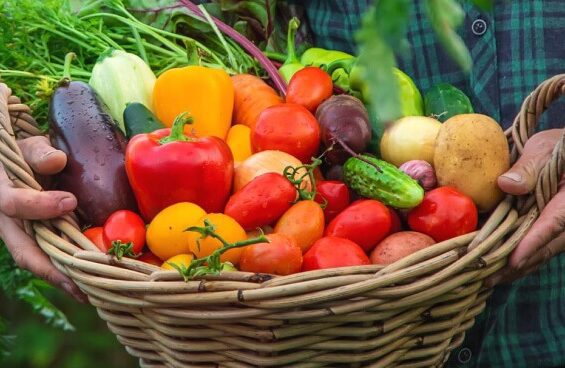
As the global population continues to grow, the demand for fresh, nutritious food is rising, but traditional farming methods are increasingly strained by factors like land scarcity, water shortages, and climate change. To meet these challenges while ensuring sustainability, agricultural innovation is key. One of the most promising solutions for the future of food production is hydroponics — a soil-free farming method that uses nutrient-rich water to grow crops. Zirat, a leader in green agriculture, is harnessing the power of hydroponics to revolutionize the way food is grown, delivering fresh produce efficiently, sustainably, and locally.
What is Hydroponics?
Hydroponics is a method of growing plants without soil, using a water-based nutrient solution to deliver all the essential elements plants need for growth. In hydroponic systems, plant roots are immersed in a nutrient-rich solution, or supported in an inert medium like clay pellets or perlite, while being exposed to artificial light in a controlled environment. This method offers several advantages over traditional soil-based farming, including faster plant growth, higher yields, and the ability to grow crops in areas with limited or no arable land.
Zirat’s Approach to Hydroponics
At Zirat, hydroponics is at the heart of their sustainable farming approach. By combining advanced hydroponic systems with cutting-edge technologies, Zirat is able to grow fresh, high-quality produce year-round, with minimal environmental impact. The company’s focus on hydroponics aligns perfectly with its commitment to sustainable agriculture, as it allows them to produce more food with fewer resources and less waste.
Here’s how Zirat is using hydroponics to create a more sustainable food future:
1. Water Efficiency: A Critical Resource in Farming
Water scarcity is one of the most pressing issues facing global agriculture. Traditional farming uses vast amounts of water, particularly for irrigation, which often leads to waste and inefficiency. Hydroponics, by contrast, uses up to 90% less water than conventional farming. At Zirat, the hydroponic systems are designed to be highly efficient, circulating water through the system in a closed-loop, which means that it is continually reused rather than being wasted. This makes hydroponics an ideal solution in water-scarce regions and a sustainable farming practice that significantly reduces the strain on natural water resources.
In addition to water conservation, the ability to closely control the nutrient solution in hydroponic systems ensures that plants get exactly what they need, further minimizing waste. Zirat’s use of hydroponics not only reduces water consumption but also maximizes crop output in areas where water resources are limited.
2. Faster Growth, Higher Yields
Hydroponics allows plants to grow faster than in traditional soil-based farming. Without the constraints of soil, the plants’ roots can more easily access nutrients and oxygen, leading to quicker growth and larger yields. Zirat’s hydroponic systems are optimized to create the perfect growing environment, with precise control over factors like light, temperature, humidity, and nutrient delivery. This results in healthier, more productive crops that can be harvested more frequently, increasing overall food production in the same amount of space.
By growing crops in stacked layers, Zirat maximizes vertical space, enabling them to produce more food per square foot. This method of intensive farming, coupled with faster plant growth, ensures that Zirat can meet the demands for fresh produce while minimizing land use, making it an ideal solution for urban farming.
3. No Pesticides or Chemicals: Clean, Organic Produce
A significant advantage of hydroponics is the ability to grow crops without the use of pesticides, herbicides, or synthetic fertilizers. Since hydroponic systems are typically set up in controlled indoor environments, they are naturally more resistant to pests and diseases than traditional farms, reducing the need for harmful chemicals. At Zirat, this means that the produce grown through hydroponics is free from the pesticides and chemicals commonly used in conventional farming, providing consumers with cleaner, healthier food.
This chemical-free farming process aligns with Zirat’s commitment to organic farming practices and sustainability. The absence of pesticides not only results in healthier food but also reduces the impact of harmful chemicals on the environment, protecting soil and water systems from contamination.
4. Precision Nutrient Delivery: Customizing Growth Conditions
One of the key advantages of hydroponics is the ability to precisely control the nutrient levels that plants receive. In traditional farming, soil health can vary widely, making it difficult to ensure that crops receive a consistent supply of essential nutrients. In hydroponics, the nutrient solution can be tailored to meet the specific needs of each plant, ensuring optimal growth and reducing the risk of nutrient deficiencies.
At Zirat, sophisticated sensors and monitoring systems track the nutrient solution, pH levels, and water quality in real-time, allowing for continuous adjustments. AI-driven systems analyze plant growth data and environmental factors to optimize the nutrient delivery process, ensuring that plants grow at their fastest, healthiest rate. This precision farming approach not only maximizes crop yields but also minimizes resource waste, ensuring that every drop of water and nutrient is put to good use.
5. Sustainability and Environmental Impact
In addition to being water-efficient and pesticide-free, hydroponics at Zirat has a significantly lower carbon footprint than traditional farming methods. Because hydroponic farms are often located closer to urban centers, the need for long-distance transportation is reduced, which cuts down on fuel consumption and carbon emissions. Zirat’s hydroponic systems are designed to operate using renewable energy sources whenever possible, further reducing their environmental impact.
By growing crops indoors in controlled environments, Zirat is able to reduce the impact of weather-related disruptions, such as droughts, floods, or storms, which often affect traditional farming. This makes hydroponic farming a more resilient and sustainable alternative in the face of a changing climate.
6. Year-Round Production and Local Food Systems
Hydroponics is ideal for year-round production, as it is not dependent on seasonal weather patterns or the availability of arable land. Zirat’s hydroponic systems operate 365 days a year, ensuring a constant supply of fresh, high-quality produce. This ability to grow crops year-round is especially important in areas where seasonal farming is limited or where access to fresh produce is scarce.
Additionally, Zirat’s vertical hydroponic farms are located in urban areas, reducing the need for transportation and promoting local food systems. This not only supports local economies but also provides consumers with fresher produce, cutting down on the environmental costs associated with food transportation.
7. Innovation and Research: Pushing the Boundaries of Hydroponics
At Zirat, research and innovation are central to the ongoing development of their hydroponic systems. The company is constantly exploring new technologies and farming techniques to improve efficiency, increase yields, and reduce environmental impact. Whether through advances in automation, AI-driven monitoring, or new hydroponic system designs, Zirat is committed to pushing the boundaries of what hydroponics can achieve.
The company also works closely with agricultural researchers and universities to explore new crop varieties, nutrient solutions, and sustainable farming practices. This research-driven approach allows Zirat to stay at the forefront of agricultural innovation and continue improving its hydroponic systems for better, more sustainable food production.
Conclusion: Zirat’s Vision for the Future of Food
At Zirat, hydroponics is not just a farming method — it is a powerful tool for creating a more sustainable, efficient, and resilient food system. By harnessing the potential of hydroponics, Zirat is able to grow fresh, high-quality food while minimizing environmental impact and addressing the challenges posed by traditional agriculture.
Through water conservation, pesticide-free farming, and precision nutrient delivery, Zirat is setting new standards for sustainable agriculture. As the demand for local, sustainable food continues to rise, Zirat’s hydroponic farming model offers a scalable solution for the future of food production, proving that technology and innovation can go hand-in-hand with sustainability to create a better world for generations to come.


